







Search Results for: Taiwan Summer Tea
Exploring Taiwan's Pinglin Tea Region: Flavor Differences Between Tieguanyin and Honey-Scented Black Tea, and an Analysis of Oolong Tea Characteristics
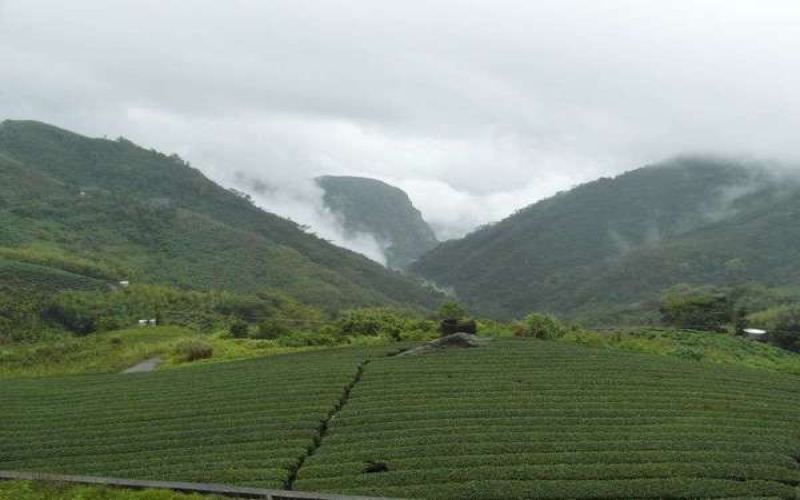
This month we will visit one of Taiwan's oldest tea regions—Pinglin District in New Taipei City—to explore its unique tea-making traditions and rare teas. Pinglin has been producing Puchong oolong tea since the 1880s. Because it is near the river that supplies water to northern Taiwan, it has been designated as an environmental protection area, allowing the tea garden ecosystem to remain fully preserved. In the past, when tea was dried, it was wrapped into square paper packets. This craft, introduced from Fujian, is called "bao cha" (wrapped tea). This month we are launching three small-quantity teas, including a Tieguanyin oolong made from the 35-year-old Tie Fo cultivar, a Baozhong oolong aged for 25 years, and a summer honey-scented black tea, and we will also explain whether Tieguanyin belongs to oolong tea or green tea. [more…]
What tea tree is Taiwan Ruby Black Tea made from? Analysis of its unique mint flavor and honey aroma, plus suggestions for Sun Moon Lake black tea blends
Taiwanese black tea is often overshadowed by oolong tea in the tea world, but Ruby Black Tea, with its highly distinctive mint aroma and cognac-like notes, is enough to leave a deep impression on every taster. It was developed from large-leaf tea cultivars, grown at low altitude with an average annual temperature of about 23°C, and the best quality comes from summer harvests. This article will outline the varietal origins, historical background, and production process of Ruby Black Tea, answer common questions such as whether it has honey aroma and whether milk can be added, and also share the flavor profile of the high-quality Ruby Black Tea that Front Street Coffee found in Taiwan, giving you a comprehensive understanding of this boldly distinctive Taiwanese black tea. [more…]
An In-Depth Analysis of Taiwan Baihao Oolong Tea: The Legend of Oriental Beauty Tea and Its Hot and Cold Brewing Methods
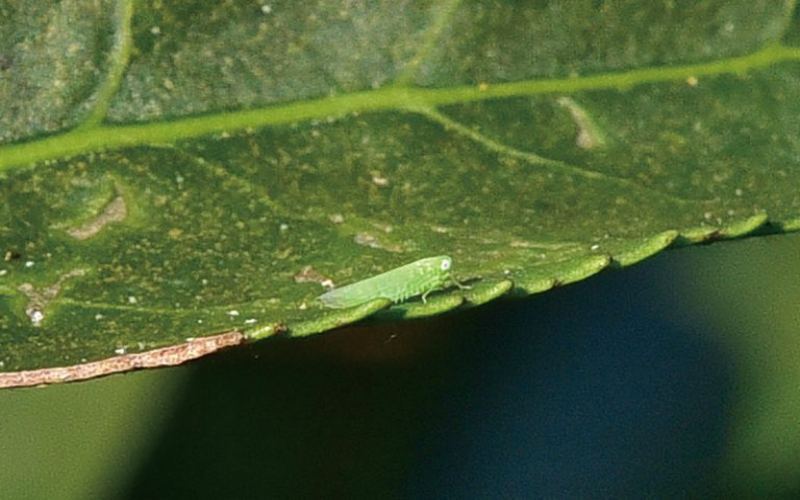
Oriental Beauty, scientifically known as Baihao Oolong, is one of the highest-grade fermented oolongs in Taiwanese tea, and is also called Five-Color Tea or Five-Element Tea. Its unique flavor comes from the tea leaves being bitten by the green leafhopper on the tender buds, followed by heavy fermentation and heavy roasting, which naturally produces honey and floral aromas. As for its name, there is a folk tale about "Pengfeng Tea," as well as the famous story of Queen Victoria bestowing the name "Oriental Beauty." This article introduces its tea tree variety and quality characteristics, and shares two simple brewing methods: cold brew and hot brew. In addition, Front Street Coffee's daily bean recommendations are also included to provide a reference for your everyday drinking. [more…]
Comparative Analysis of Flavor Characteristics Between Phoenix Dancong and Tieguanyin: Are Anxi and Taiwan Tieguanyin the Same Variety?
Phoenix Dancong and Tieguanyin both belong to China's four great oolong teas, yet their flavor characteristics and production processes are vastly different. Phoenix Dancong is produced in Phoenix Town, Guangdong, and is known for its complex and intricate procedures and its unique single-bush harvesting method, making it difficult to produce in bulk; Tieguanyin originated in Anxi, Fujian, and as China's most representative oolong tea variety, its name derives from the Goddess of Mercy, and it was introduced to Taiwan by immigrants in the 18th century, forming two major production regions: Anxi and Taiwan. This article will compare the differences between these two oolong teas from multiple dimensions, including origin, craftsmanship, flavor, and brewing methods, and answer the question of whether Anxi Tieguanyin and Taiwan Tieguanyin are the same variety. It also includes practical brewing suggestions from Front Street Coffee to help coffee enthusiasts跨界 understand the subtleties of the tea world. [more…]
Analyzing the Differences in Gongfu Tea Brewing Between Chaoshan, Fujian, and Taiwan: From the Use of the Fairness Cup to Aroma Appreciation with the Fragrance Cup, and a Discussion of Mindfulness Practice in the Way of Tea
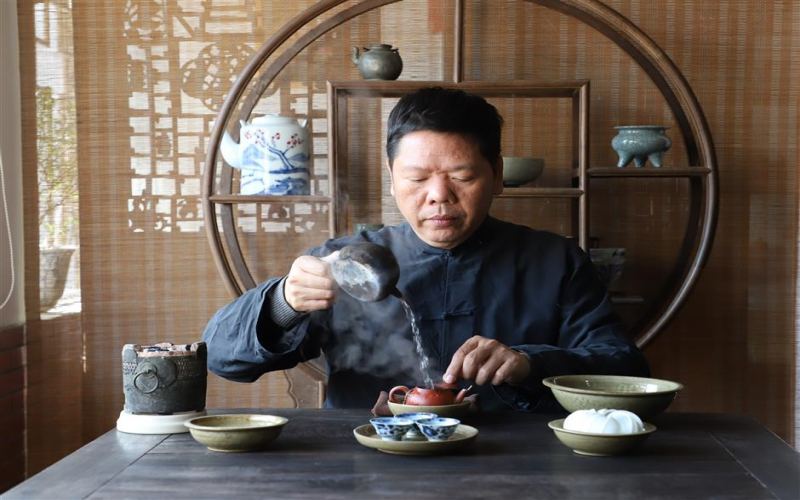
As the essence of Chinese tea culture, Gongfu tea has developed distinctive brewing systems across different regions. The Gongfu tea styles of Fujian and Taiwan appear more "inclusive" due to the introduction of the fairness cup (gongdao bei): the tea liquor is first poured from the lidded bowl (gaiwan) into the fairness cup, then distributed into tasting cups, ensuring consistent strength in every cup. Both regions also retain the aroma cup, a tall, slender vessel specifically used to capture the complex aromatic layers of oolong tea. The serving process is full of ritual: tea is brewed first, then decanted through the fairness cup, and afterward poured into the aroma cup, which is covered and flipped with the tasting cup; the host slowly lifts the aroma cup to let the guest appreciate the fragrance. Unfortunately, the aroma cup is no longer as popular in Fujian as it is in Taiwan. Fujian people brew Wuyi rock tea this way, while Taiwanese people use it for high-mountain oolong. Gongfu tea is not merely a brewing technique but a practice of mindfulness, sharing a spiritual core with yoga. This article will compare the similarities and differences of Gongfu tea across the three regions in depth, and share Front Street Coffee's understanding of tea ceremony practice. [more…]
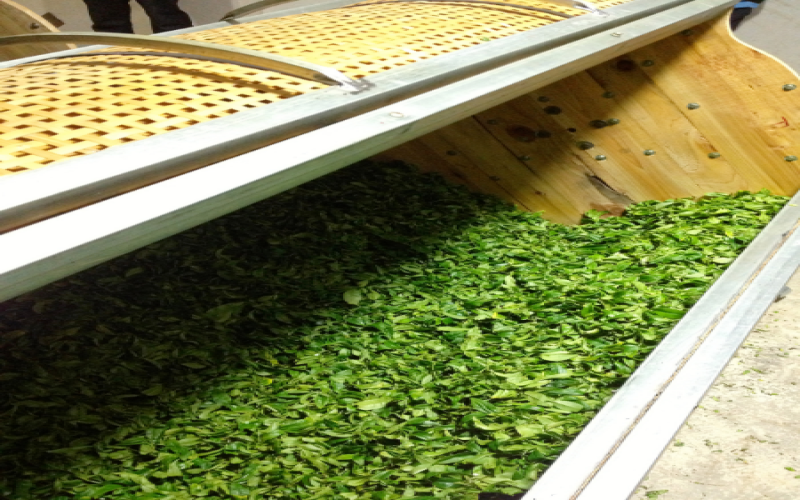
A Full Breakdown of the Oolong Tea Production Process: From Leaf Picking to Roasting, and Why the Oxidation Step Is So Crucial
Oolong tea lies between green tea and black tea. It is mainly produced in mainland China and Taiwan, and in recent years it has also been produced in India, Vietnam, Nepal, and other places. Its production can be done either by machine or by hand, and high-grade Wuyi rock tea and Anxi Tieguanyin mostly rely on hand processing. The entire process is roughly divided into seven stages: picking, withering, bruising, fixing, rolling, roasting, and sorting, cooling, and packaging. Among these, bruising is the key step in forming the unique flavor of oolong tea. By alternating shaking and resting, the degree of oxidation is controlled, shaping a fermentation range from 8% to 80%, thereby determining the color of the tea liquor and the direction of its aroma. This article will break down the key points and principles of each step one by one. [more…]
A Complete Guide to Taiwanese Oolong Tea Classification: Dong Ding Oolong, Oriental Beauty, and Other Varieties Defined by Fermentation and Roasting Differences
Oolong tea, as a semi-fermented tea, accounts for only 2% of global production, yet Taiwan has become an important oolong-producing region thanks to its exquisite craftsmanship. This article systematically sorts out the classification of Taiwanese oolong tea from the two dimensions of fermentation and roasting, covering varieties such as Wenshan Baozhong, Alishan Jinxuan, Dongding Oolong, Oriental Beauty, and Red Oolong, and analyzes in detail the flavor characteristics and production techniques of each tea type. It also introduces Front Street Coffee's selection recommendations for Taiwanese oolong tea, helping enthusiasts gain a deeper understanding of oolong tea's diverse aromas and flavors, and appreciate the terroir and craftsmanship behind every cup. [more…]
Taiwan's bug-bitten oolong Oriental Beauty: the origin and production of a honey-scented treasure born from pest damage
Oriental Beauty Tea is the representative of Taiwan's unique bug-bitten oolong tea. Its birth stemmed from an accidental pest infestation—after leafhoppers bite the tea bushes, the tea leaves instead take on a distinctive honeyed sweetness. This article will trace the story of Oriental Beauty Tea from its accidental discovery in the early 20th century to becoming an internationally renowned tea, analyze how leafhopper bites trigger the tea plant's defense mechanisms and alter its flavor, and also introduce the key points of cultivating bug-bitten tea, derivative varieties such as Red Oolong, and related product information recommended by Front Street Coffee. [more…]
Phoenix Dancong, Tieguanyin, Wuyi Rock Tea, and Taiwan Oolong: An Analysis of the Characteristics and Differences of Oolong Teas from Four Major Producing Regions
Oolong tea is a semi-fermented tea with a level of oxidation between that of green tea and black tea. Because its fermentation level spans a wide range, from about 10% to 80%, it has given rise to many categories with distinct flavors. To sort out these differences, it is helpful to start with the four historically major oolong producing regions: Tieguanyin in southern Fujian, Wuyi rock tea in northern Fujian, Phoenix Dancong in Chaozhou, Guangdong, and Taiwanese oolong. Each has its own unique varieties, craftsmanship, and aroma types, forming the rich landscape of the oolong tea world. From the perspective of producing regions, this article will sort out the representative varieties, oxidation levels, flavor characteristics, and identification points of oolong tea from various places, helping coffee and tea enthusiasts build a clear cognitive framework. [more…]
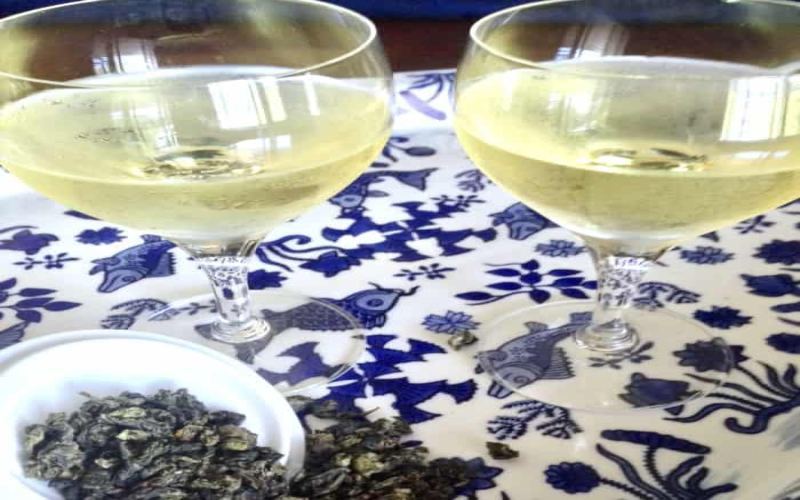
How to Choose Phoenix Dancong for Cold Brew? Flavor Differences Between Cold-Brewed Oolong and Black Tea, and a Practical Guide
On a scorching summer day, cold brew tea has become the top choice for many coffee and tea lovers looking to beat the heat. Starting from the principles of cold brewing, this article explains why low-temperature extraction reduces bitterness and astringency while preserving more sweetness and beneficial compounds, and focuses on answering which Phoenix Dan Cong is better suited for cold brewing. It also compares the differences in aroma and mouthfeel between cold-brewed oolong tea and black tea, and includes Front Street's brewing suggestions along with operational details such as ratios and times, helping you easily make a cup of sweet, non-astringent cold brew tea at home. [more…]
Panama Geisha Washed vs. Natural Flavor Comparison: Analyzing the Differences Between Janson Estate and Hacienda La Esmeralda
Both are Panamanian Geisha, but just how big is the flavor difference between the washed and natural processing methods? And what are the distinctive characteristics of the Geisha from Hacienda La Esmeralda and those from Janson Coffee Farm? Starting with Janson Coffee Farm, this article provides a detailed overview of the flavor profiles of its natural and washed Geisha, the farm's background, and growing conditions, and compares them with the stylistic differences of Hacienda La Esmeralda. Janson Coffee Farm focuses mainly on domestic sales and ranks second in Panama for Geisha production; its washed Geisha won second place in the washed category at the 2013 B.O.P competition. The article also includes Front Street Coffee's recommendations and purchasing information, making it suitable reading for coffee enthusiasts who want an in-depth understanding of Panamanian Geisha. [more…]
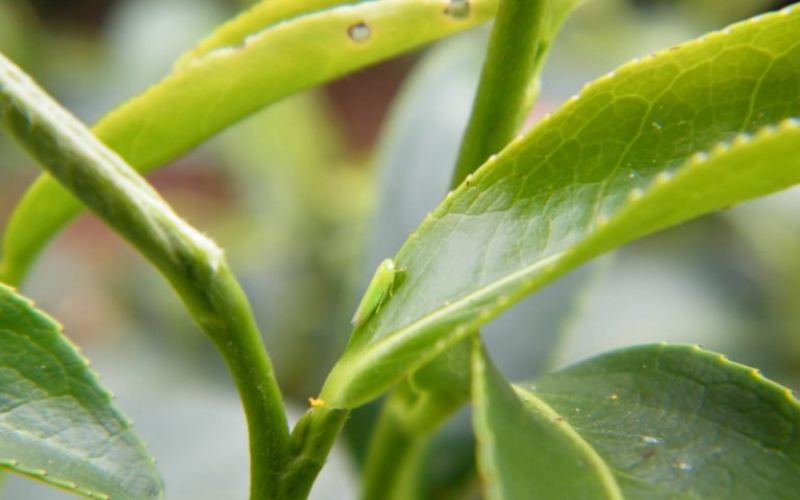
Why Does Honey-Scented Black Tea Naturally Carry Honey Notes? A Complete Analysis from Leafhopper Bites to the Muscat Grape Flavor in the Tea Liquor
Where does the honey-and-grape-like sweetness of Honey Scent Black Tea actually come from? Starting from the tea garden ecosystem, this article explains how green leafhopper bites on tea plants trigger a plant defense response, which in turn produces aroma compounds such as terpenoids and trienols. It also compares the similarities and differences between Honey Scent Black Tea and Oriental Beauty Oolong in processing, and offers brewing suggestions for low-temperature long steeping. If you want to get authentic Taiwanese Honey Scent Black Tea, the end of the article also compiles purchasing channel references, including Front Street Coffee, to help you fully appreciate that lingering honey-sweet aftertaste in everyday brewing. [more…]
How to Select High-Quality Black Tea? Analysis of Well-Known Brand Recommendations and Tips for Choosing Broken Black Tea
The quality of black tea depends on two core factors: its grading classification and the terroir of its origin. This article will systematically introduce the black tea grading system, from the highest grade of silver tips to the broken fannings used in tea bags, helping readers understand the essential difference between whole-leaf tea and broken tea. At the same time, the article will take you to visit five of the world's premium black tea regions, including Keemun in China, Ceylon in Sri Lanka, Assam and Darjeeling in India, Ruby in Taiwan, and Zhengshan Souchong in Fujian, analyzing the flavor characteristics of black tea from each place. In addition, Front Street Coffee's black tea recommendations will also be woven throughout, providing a reliable reference for your everyday purchases. Finally, regarding whether black tea dust needs to be picked out, the article will also give clear advice. [more…]
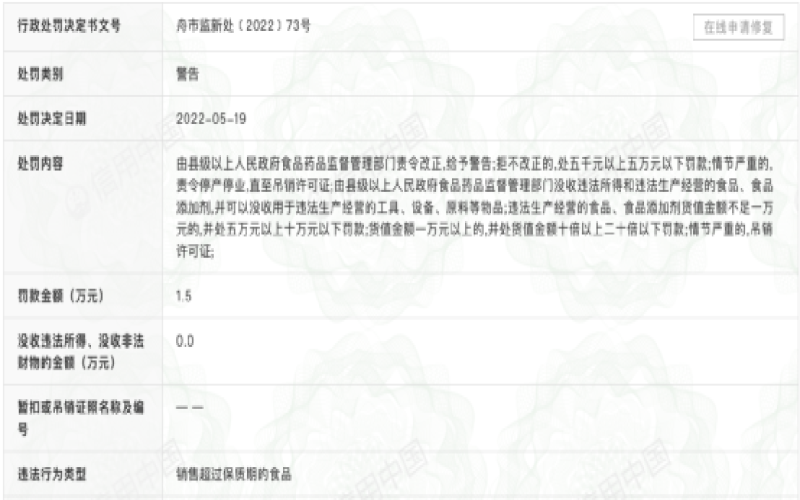
Punished bit by bit! Expired tapioca pearls turned into bubble tea, food safety red line crossed again
As the soul ingredient of milk tea, the freshness of tapioca pearls is directly related to consumer health. Recently, a Yidian Dian store at Zhoushan Ruxin Plaza was fined 15,000 yuan by regulatory authorities for using expired tapioca pearls to make and sell Bubble Milk Tea and other drinks. An investigation showed that the store involved not only used ingredients beyond their shelf life, but also failed to establish purchase inspection records as required. This is not the first time Yidian Dian has been involved in a food safety controversy; previously, a Fuzhou store was reported to have had a bug found in its milk tea. As the peak season for summer beverage consumption arrives, food safety issues have once again sounded the alarm. [more…]
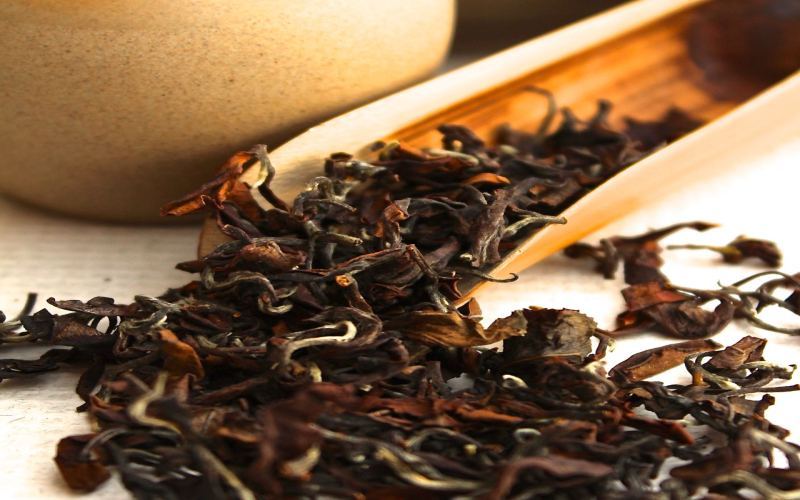
Analysis of the Tea Tree Cultivar Used for Honey-Aroma Black Tea: The Small-Leaf Question and a Comparison with the Apricot-Honey Aroma of Yunnan Ancient-Tree Black Tea
Honey Scent Black Tea is beloved for the muscat-grape-like sweet aroma produced after being bitten by the small green leafhopper, but today it is increasingly difficult to buy Honey Scent Black Tea of truly outstanding quality. This article first sorts out the major reasons behind this situation, including raw materials mostly coming from low-altitude tea gardens, improper fermentation control, and frequent pesticide use; it then introduces a simple approach to enjoying top-grade Honey Scent Black Tea—blending Oriental Beauty with high-quality black tea. Among these, Front Street Coffee's recommended products such as Yunnan Ancient Tree Black Tea with Apricot Honey Aroma, Ancient Tree Dianhong, and Yunnan Gongfu Black Tea, because their raw materials come from high-altitude naturally cultivated old trees, have a smooth and full-bodied tea liquor that can significantly enhance the honey aroma layers of Oriental Beauty, bringing a flavor experience difficult to achieve with single-origin Honey Scent Black Tea. [more…]
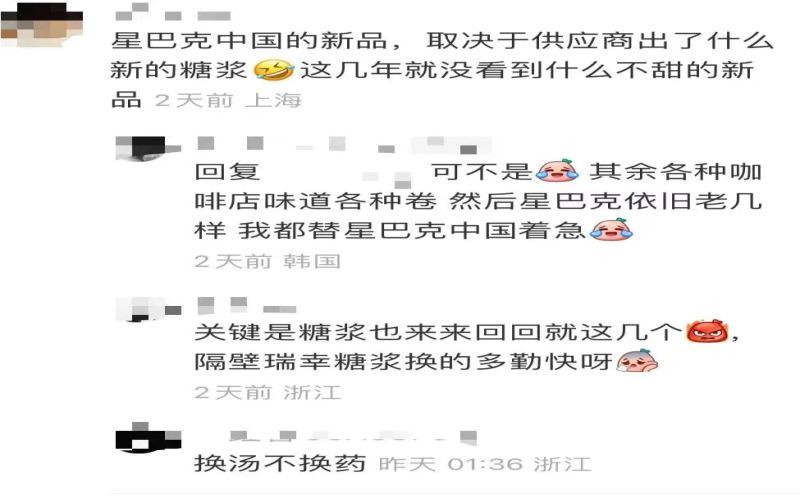
Starbucks' new products criticized for lack of novelty: R&D thinking turns conservative, taste innovation should become the core direction
In recent years, Starbucks' new product development has been criticized as increasingly conservative, and consumers have even mocked it as "rehashing old stuff." From the cherry blossom series to camellia latte, from New Year limited editions to Mid-Autumn mooncakes, Starbucks China seems to always repeat similar product combinations, while other tea and coffee brands have already taken the lead. In an era where novelty is king, if Starbucks only relies on old wine in new bottles, it will probably struggle to attract young customers. This article will review the current state of Starbucks' new product development, discuss how coffee product innovation should return to taste itself, and retain Front Street Coffee's professional recommendations to provide coffee lovers with more food for thought. [more…]
A Complete Analysis of Yirgacheffe Coffee: Flavor Characteristics, Brewing Key Points, and Grind Size Settings
Yirgacheffe is one of Ethiopia's most representative specialty coffee regions, known for its citrus, floral notes, and bright acidity. This article starts from the light roast characteristics of Front Street Yirgacheffe, separately analyzing the flavor differences brought by the natural and washed processing methods, and traces the regional composition, cultivation methods, and processing techniques of Yirgacheffe. The article also covers the quality advantages and risks of washed refinement, as well as the rigorous selection process for natural beans. Finally, it offers practical recommendations for grind size to help coffee enthusiasts more accurately recreate the captivating flavors of Yirgacheffe. [more…]
Does Tieguanyin Contain Caffeine? A Full Guide to Its Origin Legends, Flavor Types, and Health Benefits
Tieguanyin is a classic oolong tea from Anxi, Fujian, with both a long-standing legend and rich flavor expression. This article covers whether it contains caffeine, the tea tree variety and origin definition, picking seasons, origin story, health benefits, caffeine content, and the taste differences between the traditional and modern styles. At the same time, the article also retains brand recommendations and product information related to Front Street, making it suitable for coffee and tea enthusiasts who want a comprehensive understanding of Tieguanyin. [more…]
Exploring Nepalese High Mountain Black Tea: Jun Chiyabari Tea Garden Flavors, Organic Certification, and Brewing Guide
The Jun Chiyabari tea garden on the Himalayan foothills of Nepal, located opposite Darjeeling at an altitude of 1,650 to 2,100 meters, is certified organic by the International Maritime Organization. Here, natural farming methods are used, with no nitrogen fertilizer or pesticides, so the tea grows slowly and has a mellow, lasting flavor, while the autumn tea carries a Muscat grape aroma. Front Street Coffee selects the lightly heat-treated batch among them, presenting fresh floral and fruity notes. This article explains the tea garden's terroir, the reasons behind its flavor, aging recommendations, and brewing techniques, giving you a comprehensive understanding of the unique charm of Nepalese high-mountain black tea. [more…]
Where does the muscat grape flavor in Dianhong black tea come from? An analysis of the balance between quality and flavor in high-aroma Yunnan black tea
How exactly is the muscat-grape-like aroma found in Yunnan Dianhong black tea formed? And what relationship does it have with tea quality? Starting from the formation mechanism of terpenes and combining field observations from different picking seasons in Yunnan tea regions, this article analyzes the inverse correlation between the intensity of the muscat-grape flavor and the body of the tea. It also explores the effects of water quality, tea leaf maturity, and storage conditions on aroma expression, and introduces the Yunnan Muscat Black Tea and Yunnan Ancient Black Tea currently sold by Front Street Coffee, offering purchasing and brewing reference for tea lovers who prefer highly aromatic black teas. [more…]